


Specialities
- Home | Specialities
Ovarian Cancer Surgery in Thane
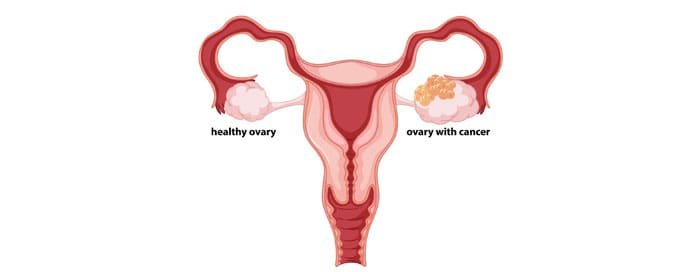
Ovarian cancer starts in the ovaries, the pair of organs that produce eggs and female hormones. Cancers that begin in the fallopian tubes or the lining of the abdomen (peritoneum) behave in a similar way and are treated in a similar way. Symptoms are often vague, so it is frequently found at an advanced stage. Ovarian cancer is one of the main conditions treated under our gynecological cancer programme in Thane.
Symptoms
- Persistent bloating or a swollen abdomen
- Feeling full quickly, loss of appetite or indigestion that does not settle
- Pelvic or lower abdominal pain
- Needing to pass urine often, or new constipation
- Unexplained weight loss or tiredness
If these last more than two to three weeks, get them checked.
Risk factors
- Family history of ovarian, breast or bowel cancer
- Inherited BRCA1 or BRCA2 mutations, and Lynch syndrome
- Increasing age, never having been pregnant, and endometriosis
Genetic counselling and testing are recommended for many patients diagnosed with ovarian cancer, because the result can guide treatment and family screening.
Diagnosis
Evaluation includes a pelvic examination, ultrasound, and CT or MRI to see how far disease has spread. The tumour marker CA-125 is helpful for monitoring but cannot diagnose cancer alone, as it can be raised in benign conditions. The diagnosis is confirmed by pathology, either from the surgical specimen or from a biopsy taken first when disease is widespread.
Treatment
Treatment combines surgery and chemotherapy. The most important surgical goal is to remove all visible disease.
- Primary cytoreductive (debulking) surgery: hysterectomy, removal of both ovaries and tubes, omentum, lymph nodes when indicated, and any deposits in the pelvis and abdomen. This can include bowel, diaphragm or peritoneal procedures.
- Neoadjuvant chemotherapy and interval surgery: when disease is too extensive for safe complete removal at first, chemotherapy is given first and surgery follows.
- Early-stage disease: comprehensive staging surgery, and in selected young patients fertility-sparing surgery.
- HIPEC: heated chemotherapy inside the abdomen at the time of surgery, considered in selected patients. See HIPEC surgery.
- Maintenance and targeted therapy: for example PARP inhibitors, when tumour testing shows they are suitable.
Why complete surgery matters
Studies consistently show that leaving no visible residual disease is one of the strongest factors in outcome for advanced ovarian cancer. This is why surgery is done by a surgeon trained in both gynaecological and GI/HPB cancer surgery, and why peritoneal cancer involvement is assessed carefully before the operation.
Frequently asked questions
Can ovarian cancer be detected early?
There is no reliable screening test for people at average risk. The best approach is to take persistent symptoms seriously and to seek genetic counselling if there is a strong family history.
Will I definitely need chemotherapy?
Most patients with ovarian cancer need chemotherapy. A small number of very early, low-risk cancers may be managed with surgery alone. This is decided after pathology review.
How will follow-up work?
Follow-up usually includes clinical examination, CA-125 and imaging as needed, at regular intervals in the first few years after treatment.
Book a consultation for ovarian cancer
Dr. Saneya Pandrowala, Consultant Surgical Oncologist at KIMS Hospital, Hiranandani Estate, Thane West, sees patients Monday to Friday, 2 pm to 4 pm, and on Saturdays by appointment. Bring your scan reports, biopsy report and any earlier treatment records to your first visit.
This page is for general patient education and is not a substitute for a medical consultation. Treatment is always planned individually after examination, imaging and pathology review.