


Specialities
- Home | Specialities
Uterine Cancer Treatment in Thane
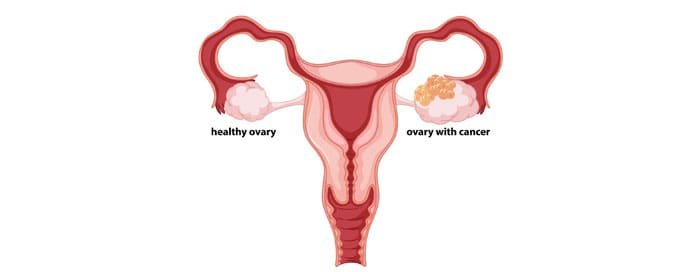
Uterine cancer, most often endometrial cancer, begins in the lining of the uterus. Because it usually causes abnormal bleeding early, it is often found at an early stage. It is part of our wider gynecological cancer care.
Symptoms
- Any vaginal bleeding after menopause, which should always be evaluated
- Heavy, prolonged or irregular bleeding before menopause
- Watery or blood-tinged discharge, and pelvic pain in later stages
Risk factors
- Obesity, diabetes and high blood pressure
- Long-term exposure to estrogen without progesterone, and never having been pregnant
- Family history, including Lynch syndrome
- Tamoxifen use and older age
Diagnosis
Evaluation usually includes a transvaginal ultrasound to measure the endometrial lining, followed by an endometrial biopsy or hysteroscopy. If cancer is found, MRI or CT may be used to check how deeply it has grown and whether it has spread. Molecular testing of the tumour is increasingly used to guide further treatment.
Treatment
- Surgery: hysterectomy with removal of both tubes and ovaries, with lymph node assessment when indicated. This is commonly done laparoscopically or robotically where suitable.
- Adjuvant treatment: vaginal brachytherapy, radiotherapy, chemotherapy or hormone therapy, chosen from the final pathology and molecular findings.
- Fertility-sparing options: hormonal treatment in carefully selected young patients with early low-grade disease, under close follow-up.
Frequently asked questions
Is postmenopausal bleeding always cancer?
No. Most cases have benign causes, but it is the most important warning sign and always needs evaluation.
Will I need chemotherapy after surgery?
Many early cancers need no further treatment. This is decided after the pathology report of the removed uterus.
Book a consultation for uterine cancer
Dr. Saneya Pandrowala, Consultant Surgical Oncologist at KIMS Hospital, Hiranandani Estate, Thane West, sees patients Monday to Friday, 2 pm to 4 pm, and on Saturdays by appointment. Bring your scan reports, biopsy report and any earlier treatment records to your first visit.
This page is for general patient education and is not a substitute for a medical consultation. Treatment is always planned individually after examination, imaging and pathology review.